
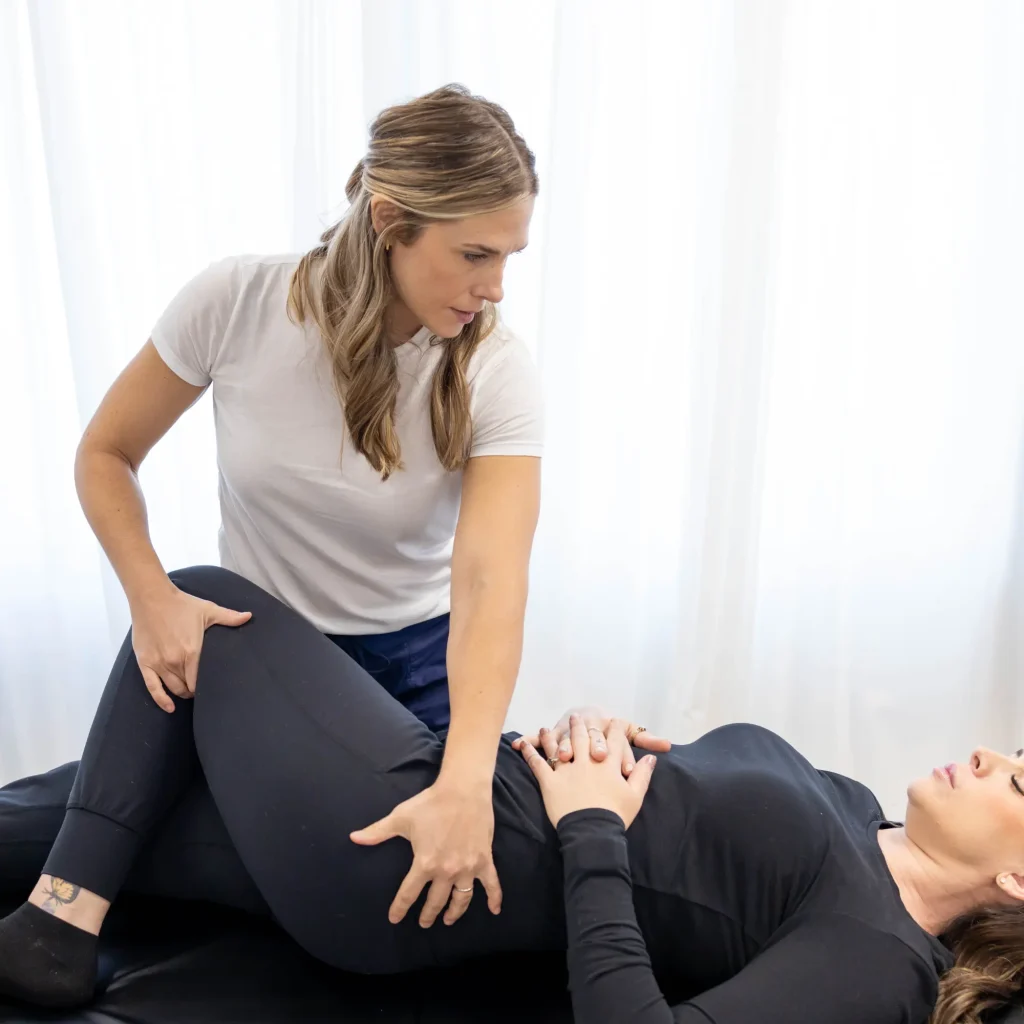
Osteopathic Treatment
During a session, your practitioner uses skilled touch to listen to your body and work with areas of tension, strain, or restriction. Through subtle adjustments, soft tissue work, and supportive movements, the aim is to restore flow, release held patterns, and create the conditions for your body to self-heal. Some sessions may feel like subtle, still contact, while others involve gentle stretching, rhythmic movements, or mobilization. The practitioner often works with the body rather than against it, listening through touch to guide what’s needed. Many people leave feeling lighter, calmer, and more connected to themselves.
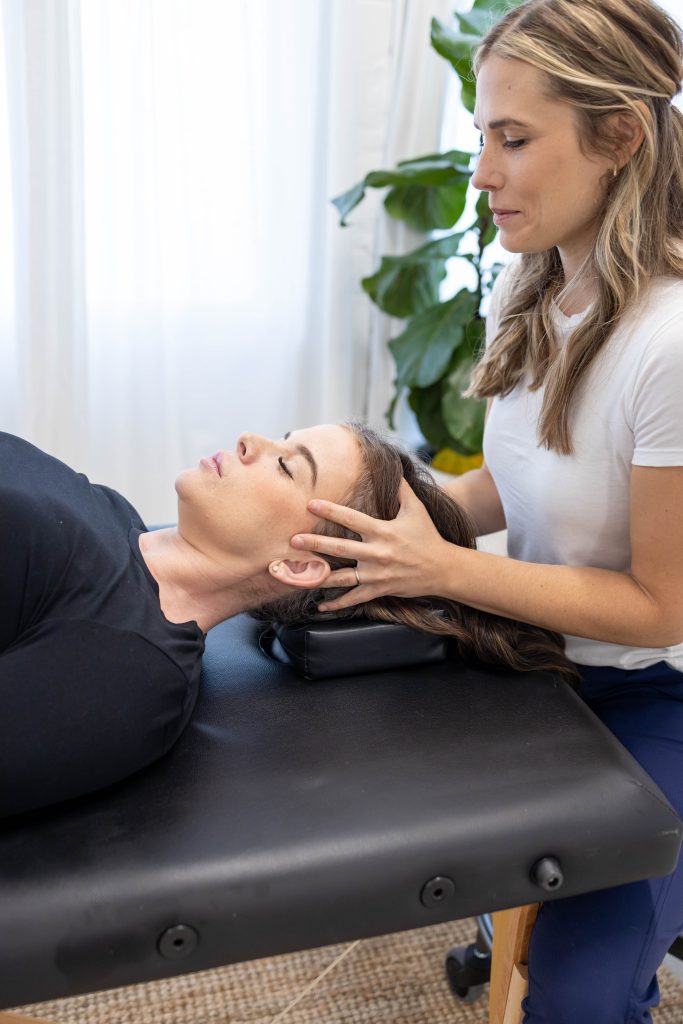
Craniosacral Therapy
This gentle, hands-on approach is designed to help your body shift out of survival mode and into a state of calm and repair. By creating a sense of safety within the body, it supports the parasympathetic nervous system – the part responsible for rest, digestion, and healing – to function at its best. Through light touch, craniosacral techniques, breath awareness, and subtle sensory input, each session helps release held tension, quiet overactive stress responses, and restore natural balance throughout the body. Many people find this work deeply relaxing and grounding, easing discomfort while supporting overall well-being, stress relief, and nervous system health.
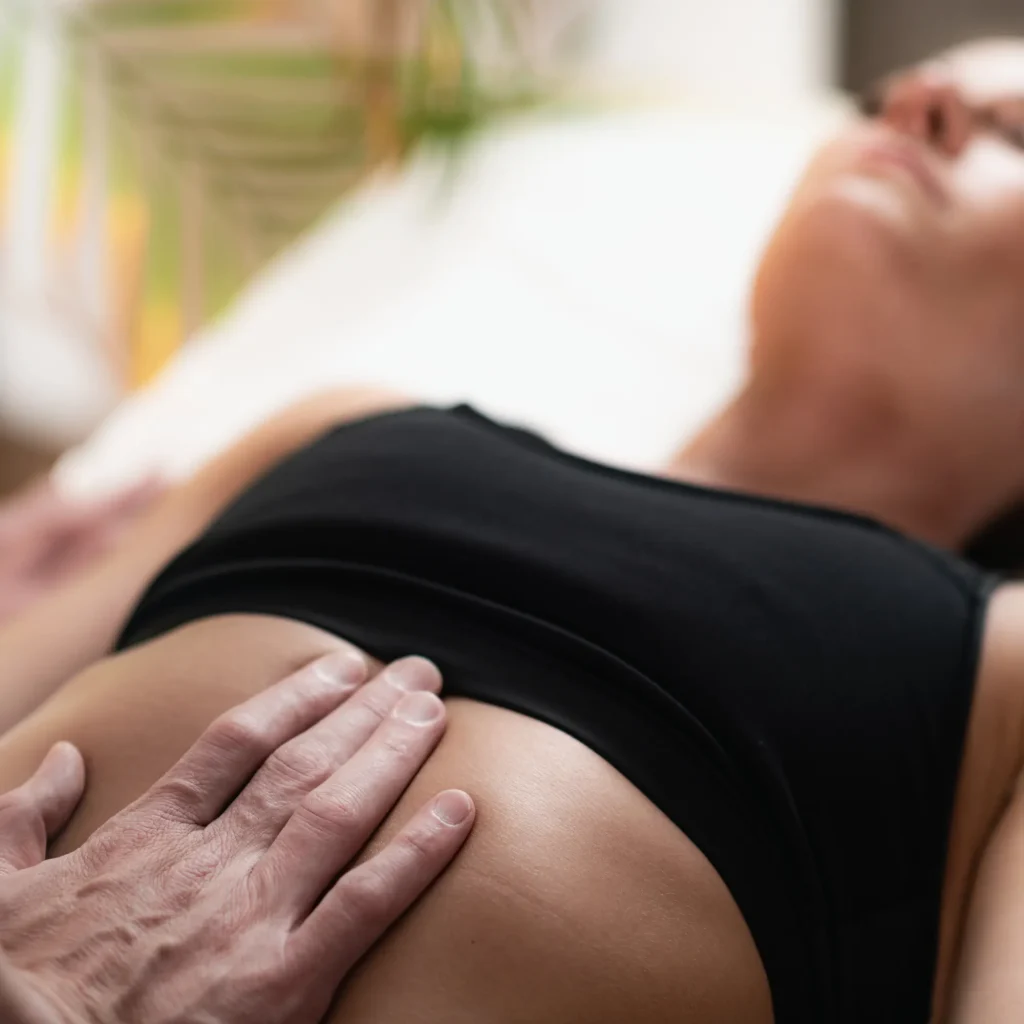
Pain Reprocessing Therapy (PRT)
Advancements in neuroscience reveal that most persistent pain results from the brain misinterpreting safe messages from the body as if they were dangerous. Research has found that the brain has the power to generate pain even in the absence of physical damage, or after an injury has healed due to learned neural pathways in the brain and a nervous system stuck in a state of protection. Pain Reprocessing Therapy (PRT) is an evidence-based system that retrains the brain to accurately interpret and respond to signals from the body, breaking the cycle of persistent pain. Through guided awareness and mindfulness, safety reappraisal and cognitive and behavioural techniques, these sessions teach you how to unlearn pain patterns and restore a sense of safety in the body again. Although various treatments aim to manage pain, PRT stands apart as an evidence-based treatment to eliminate pain. Unsure if this applies to you? Take our quiz or book a discovery call to learn more.
*Requires discovery/screening call to determine eligibility
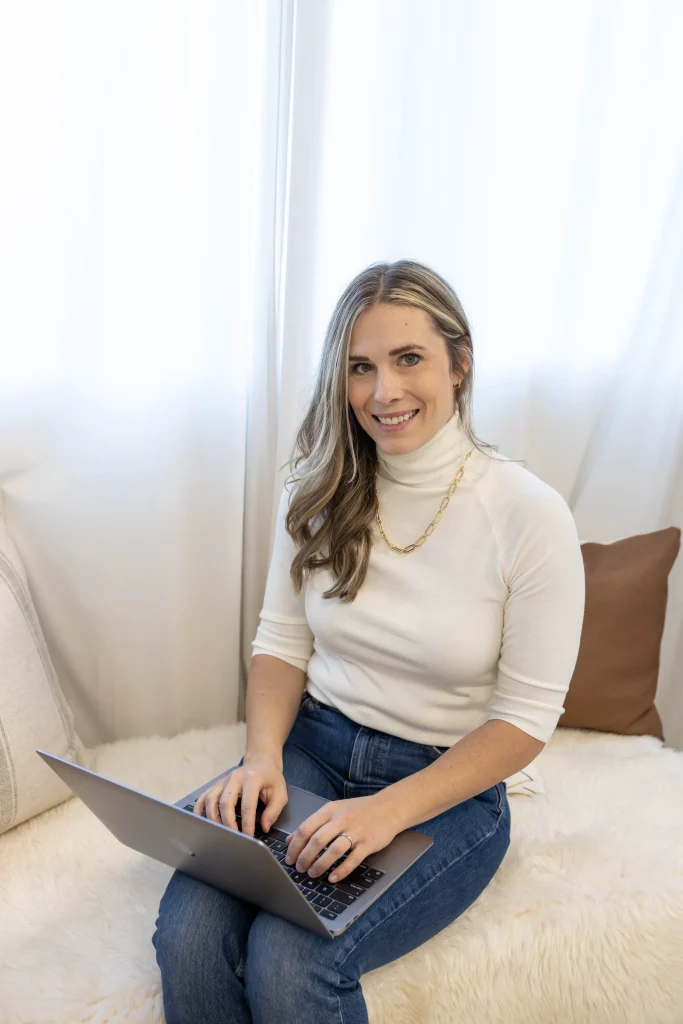
Preventative Care & Transformative Health Coaching
Focused strategy sessions that are supportive and collaborative, helping you create meaningful, sustainable changes in your well-being. Designed to bring clarity to what truly matters, uncover what has been holding you back and build practical strategies that shift your body’s natural healing capacity. Sessions often explore many aspects of health: movement, mindset, sleep, stress, nutrition and daily routines. Together, we identify goals that feel authentic and achievable, while also addressing deeper patterns (thoughts, emotions and habits) that influence your choices. It’s an empowering process that helps you reconnect with your inner motivation and develop the tools you need to feel your best – physically, mentally, and emotionally.
Frequently Asked Questions
What happens during my first appointment?
Your first visit includes a detailed conversation about your health history, current symptoms, lifestyle, and health goals. We’ll then do a movement and structural assessment to understand how your body functions as a whole. Osteopathic treatment follows right away, using gentle hands-on techniques tailored to your needs. Following treatment, we will summarize findings and a discuss a treatment plan based upon your current state and future needs and goals.
What should I wear?
Wear soft, comfortable clothing that allows you to move easily. Leggings, joggers, or shorts and a t-shirt are ideal. Avoid jeans, tank tops, hoodies, dresses/skirts or anything restrictive.
Will I be sore after treatment?
Some people feel lighter and more relaxed right away, while others experience mild soreness or fatigue within the first 24-48 hours. This is a normal part of the healing process as your body adjusts and integrates the treatment. Gentle movement and hydration can help ease any temporary discomfort.
How many sessions will I need?
For osteopathy or craniosacral treatment, many people feel improvement within 3–5 sessions. Chronic or long-standing concerns are a good match for our pain reprocessing therapy program which is 10 sessions spread over 5 months.
What is the difference between osteopathy and massage therapy?
Massage primarily focuses on soft tissue and muscle relaxation. Osteopathy, while including soft-tissue work, also looks at the body’s entire structure, alignment, and how different systems (musculoskeletal, circulatory, nervous, and visceral) interact. The goal is to restore balance and mobility so your body can self-regulate more effectively.
Is osteopathy covered by insurance?
Extended health insurance plans in Ontario offer coverage for Osteopathic Manual Therapy provided by members of the Ontario Association of Osteopathic Practitioners (OAO). Please check your specific plan for details. Receipts are provided after each session for submission.*Note that Preventative Care & Transformative Health Coaching sessions are not covered by extended insurance plans.
WHAT IS YOUR CANCELLATION POLICY?
A late cancellation or missed visit leaves a gap in the therapist’s day that could have been filled by another client. As such, we require 48 hours notice for any cancellations or changes to your appointment. Clients who provide less than 48 hours notice, or miss their appointment, will be charged the full price of the treatment fee.